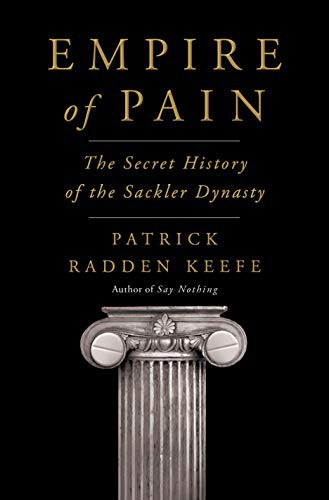
Empire of Pain
by Patrick Radden Keefe · 2021
Three generations of one family built a fortune on Valium and OxyContin, then spent decades making sure their name stayed on museum walls instead of court documents.
Worth reading? Empire of Pain is the best book on the Sacklers because Keefe treats them as a family first and a pharmaceutical company second, which is exactly the right call -- the aggression, the philanthropy, the denial all trace back to specific people making specific choices across three generations. Skip it only if you want a shorter opioid-crisis overview; for that, read a magazine piece instead.
| Full Title | Empire of Pain: The Secret History of the Sackler Dynasty |
|---|---|
| Author | Patrick Radden Keefe |
| Published | 2021 |
| Publisher | Doubleday |
| Category | Business & Money |
| Favorite quote | “First, do no harm. Unless harming is incredibly profitable.” |
The Verdict
Keefe’s real trick is patience. He starts with Arthur Sackler in the 1950s selling Valium with the same aggressive playbook a later generation would use on OxyContin, and by the time you reach the depositions and bankruptcy maneuvering decades later, you understand the family’s instincts instead of just their crimes. That’s what separates this from a magazine-length outrage piece.
It’s long, and it should be – three generations of denial don’t compress into 250 pages without losing the thing that makes this book worth reading: watching specific people make specific choices, over and over, and watching the museum wings and university buildings function as the reputation firewall for exactly those choices. Read it if you want to understand how a family stays “respectable” while building a fortune on a product they knew was hurting people. Skip it if you just want the crisis explained – for that, there are shorter books.
you want the fullest account of how a single family's marketing decisions helped fuel the opioid crisis, told as a generational saga rather than a policy paper
you want a quick opioid-crisis primer -- this is a 500-plus page family history, not a short explainer, and it earns every page but demands the time
Book Summary
The Sackler fortune was built in two waves: Arthur Sackler pioneered aggressive, ethically dubious pharmaceutical marketing in the mid-20th century (including for Valium), then a younger generation used the same playbook -- and the same family instinct to keep the Sackler name off the product -- to sell OxyContin as safer and less addictive than the evidence supported.
Purdue Pharma's OxyContin marketing specifically downplayed addiction risk to doctors, pushed higher doses, and kept selling aggressively even after internal and external evidence of mass abuse mounted, a pattern the book documents through internal memos, depositions, and years of investigative reporting.
The family's parallel project -- decades of major philanthropic gifts to museums, universities, and medical schools -- bought reputation and distance from the product that built the fortune, and much of the book is about how that distance held up (and eventually collapsed) as lawsuits, journalism, and public anger caught up with the family name.
Top 8 Lessons from Empire of Pain
- Aggressive pharmaceutical marketing that downplays addiction risk isn't a rogue-actor problem -- it can be a deliberate, sustained corporate strategy across multiple product cycles.
- A family can build a fortune off one product while keeping the family name almost entirely disassociated from it in public perception, through philanthropy and careful brand management.
- Internal evidence of harm (rising overdose and abuse reports) can be known at the top of a company for years before it changes marketing behavior.
- Museum wings, university buildings, and medical school gifts function as reputation laundering -- they buy goodwill that's disconnected from how the money was earned.
- Litigation and bankruptcy can be used strategically by a family to cap personal financial exposure while a company's product keeps causing harm.
- Journalists and plaintiffs' lawyers, not regulators, were often the ones who forced the paper trail on Purdue's marketing into public view.
- A family's internal culture of secrecy and denial can persist for decades even as external evidence against the founding narrative becomes overwhelming.
- Public reputational collapse (the Sackler name being stripped from museums) can happen fast once it starts, even after decades of successful image management.
Top 2 Quotes from Empire of Pain
"First, do no harm. Unless harming is incredibly profitable."
Patrick Radden Keefe, Empire of Pain
"It is a peculiar hallmark of the American economy that you can produce a dangerous product and effectively off-load any legal liability for whatever destruction that product may cause by pointing to the individual responsibility of the consumer."
Patrick Radden Keefe, Empire of Pain
Frequently Asked Questions
Is Empire of Pain worth reading?
Yes -- it's the most complete, best-reported account of the Sackler family and Purdue Pharma's role in the opioid crisis, written with the narrative pull of a novel.
Is Empire of Pain hard to read emotionally?
Parts of it are heavy -- addiction, death, corporate denial -- but Keefe keeps the focus on decisions and evidence rather than gratuitous detail, which makes it bearable across 500-plus pages.
How is Empire of Pain different from Dopesick?
Dopesick (Beth Macy) focuses more on the crisis on the ground in Appalachian communities. Empire of Pain focuses on the Sackler family itself, across three generations, and how the fortune and the denial were built and maintained.
Do I need background on the opioid crisis before reading this?
No. Keefe builds the context you need as the book goes, though pairing it with a shorter opioid-crisis primer afterward can help place it in the wider public-health picture.
Ready to read it?
Get Empire of Pain on Amazon