Best Books to Improve Communication: 7 Ranked by What They Fix

Updated July 8, 2026 · 7 books

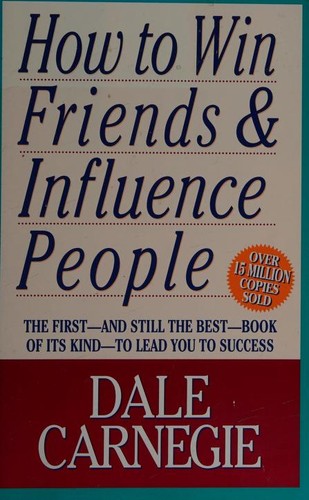
The best communication book is How to Win Friends and Influence People, because it’s the only one most people actually need: remember names, ask about them, let them feel right. Carnegie is the operating manual; everything else here is a specialization.

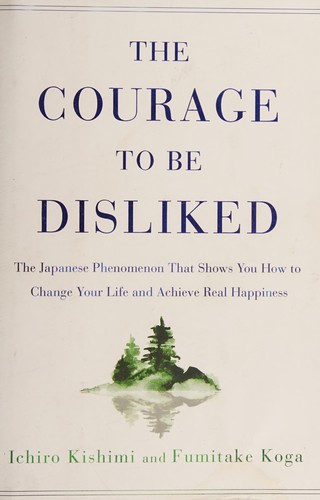
For the harder gaps, specialize. Influence is the persuasion layer — Cialdini’s taxonomy of why people say yes, useful both for winning agreement and for spotting it aimed at you. Quiet is the introvert’s corrective: you’re not broken, you’re just not loud. The Courage to Be Disliked cuts people-pleasing at the root by handing you back your own choices.

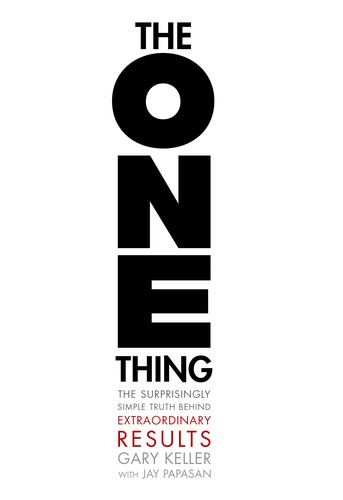
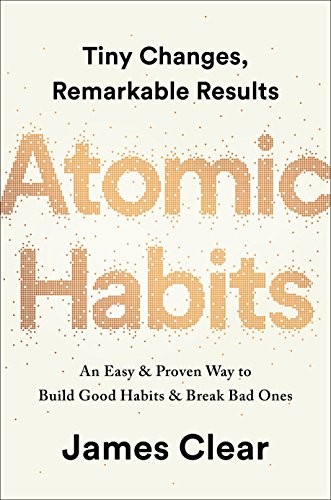
Close with The ONE Thing, Mindset, and Atomic Habits. Focus sharpens your message; a growth frame stops you freezing on “am I saying this right”; and Clear’s system turns “I’ll listen more” into something you actually do.

One warning: communication books are where people collect techniques instead of having one honest conversation. Read one, then go talk to a real human and apply it today.

Quick Comparison

#BookAuthorBest for
1How to Win Friends and Influence PeopleDale Carnegieanyone whose work or life involves other people, so, everyoneAmazon
2InfluenceRobert B. Cialdinimarketers, salespeople, and anyone who wants to spot manipulation before it worksAmazon
3QuietSusan Cainintroverts navigating extrovert-built workplaces, and the people who manage themAmazon
4The Courage to Be DislikedIchiro Kishimi & Fumitake Kogaanyone stuck blaming history, seeking approval, or carrying other people's problemsAmazon
5The ONE ThingGary Keller & Jay Papasanpeople juggling ten priorities who secretly know only one mattersAmazon
6MindsetCarol S. Dweckparents, teachers, and anyone who quit something because they "weren't talented"Amazon
7Atomic HabitsJames Clearanyone who wants a practical system for building habits, not just motivationAmazon

The Books

How to Win Friends and Influence People by Dale Carnegie book cover

1. How to Win Friends and Influence People

Dale Carnegie · 1936

Ninety years old, still the best manual on getting along with humans ever written.

Become genuinely interested in people. Remember names. Admit mistakes fast. Let others save face. Every principle sounds obvious, and almost nobody does them consistently. The 1930s anecdotes are the charm, not the flaw. Careers built on this book keep it selling a century later.

Read it if: anyone whose work or life involves other people, so, everyone

Skip it if: you read the principles as manipulation (used cynically, they backfire, and Carnegie says so)
Full verdict: How to Win Friends and Influence People →

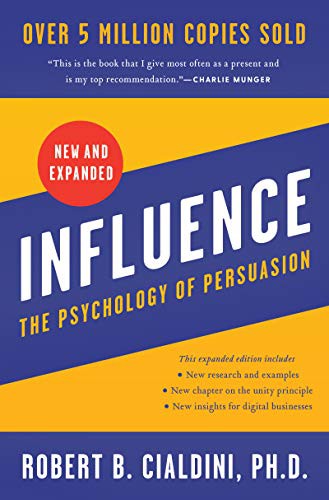
Influence by Robert B. Cialdini book cover

2. Influence

Robert B. Cialdini · 1984

The seven levers of persuasion, from the researcher who went undercover to find them.

Cialdini trained inside sales organizations and cults to document how compliance actually happens: reciprocity, commitment, social proof, authority, liking, scarcity, and (new in the expanded edition) unity. Forty years later it doubles as a defense manual, since every funnel and pricing page you see runs on these levers.

Read it if: marketers, salespeople, and anyone who wants to spot manipulation before it works

Skip it if: you've read any modern marketing book (they all borrowed this one's skeleton)

Full verdict: Influence →

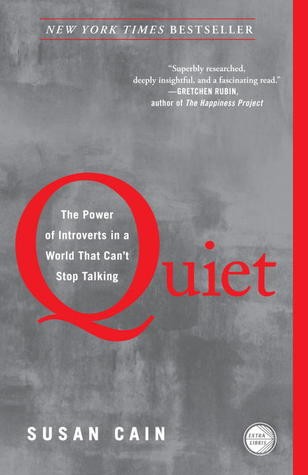
Quiet by Susan Cain book cover

3. Quiet

Susan Cain · 2012

Introverts aren't broken extroverts. The book that made a third of the population feel seen.

Cain traces how American culture shifted from valuing character to valuing personality, then shows what gets lost when quiet people are pushed to perform: deep work, careful decisions, and the leadership style that actually listens. Rigorous where it needs to be, personal where it counts.

Read it if: introverts navigating extrovert-built workplaces, and the people who manage them

Skip it if: you want self-improvement tactics (this is research and argument, not a workbook)

Full verdict: Quiet →

The Courage to Be Disliked by Ichiro Kishimi & Fumitake Koga book cover

4. The Courage to Be Disliked

Ichiro Kishimi & Fumitake Koga · 2013

Your past doesn't determine your present. Adlerian psychology in a Socratic dialogue.

A Japanese phenomenon built on Alfred Adler’s psychology: trauma doesn’t cause your behavior, your goals do; all problems are interpersonal problems; and separating your tasks from other people’s tasks dissolves most anxiety. Some claims overreach. But “discard other people’s tasks” alone is worth the read.

Read it if: anyone stuck blaming history, seeking approval, or carrying other people's problems

Skip it if: the philosopher-and-youth dialogue format feels artificial to you (it is, deliberately)

Full verdict: The Courage to Be Disliked →

The ONE Thing by Gary Keller & Jay Papasan book cover

5. The ONE Thing

Gary Keller & Jay Papasan · 2013

What's the one thing you can do such that everything else becomes easier or unnecessary?

The focusing question in the title is genuinely useful, and the domino framing (line up small wins that knock over bigger ones) makes prioritization concrete. Keller built the largest real estate company in the world on this operating system. The book stretches one insight, but it’s the right insight.

Read it if: people juggling ten priorities who secretly know only one matters

Skip it if: you already time-block your most important task daily (that's the whole book)

Full verdict: The ONE Thing →

Mindset by Carol S. Dweck book cover

6. Mindset

Carol S. Dweck · 2006

Fixed versus growth mindset. One idea, decades of research, and it holds up.

Dweck’s research finding is simple: people who believe ability is fixed avoid challenges, and people who believe ability grows through effort seek them. The book could be a long article, and later chapters repeat the thesis in new settings. But the idea itself earns its place. It changes how you praise kids, take feedback, and pick challenges.

Read it if: parents, teachers, and anyone who quit something because they "weren't talented"

Skip it if: you've absorbed the growth mindset idea from culture already (the book is one idea, stretched)

Full verdict: Mindset →

Atomic Habits by James Clear book cover

7. Atomic Habits

James Clear · 2018

The habit book that made every other habit book optional.

Clear took decades of behavior research and compressed it into one usable system: make it obvious, attractive, easy, and satisfying. The 1% better framing sounds like a slogan until you use it for a month and notice it working. Most habit books restate this one with worse examples. Start here.

Read it if: anyone who wants a practical system for building habits, not just motivation

Skip it if: you've already read it and implemented the four laws (rereading won't add much)

Full verdict: Atomic Habits →

Frequently Asked Questions

What is the best book to improve communication skills?

How to Win Friends and Influence People. It's the oldest, simplest, and still the most useful: remember names, ask questions, let the other person feel right. Carnegie is the operating manual; everything else on this list is a specialization of it.

I understand people but can't persuade them. What do I read?

Influence by Robert Cialdini. It's the taxonomy of why people say yes — reciprocity, scarcity, authority, social proof. Read it to communicate more effectively and, just as important, to notice when someone is using it on you.

I'm quiet and assume I'm bad at this. Am I?

Usually no. Quiet by Susan Cain reframes the introvert's edge: preparation, listening, and depth beat constant volume. If your gap is anxiety about speaking, The Courage to Be Disliked cuts the people-pleasing at its root.

How do habit books help communication?

They don't directly, but they do the heavy lifting of follow-through. The ONE Thing focuses your message; Atomic Habits turns "I'll listen more" into a repeatable practice. Most communication advice fails because it's never rehearsed into a habit.

Keep Reading