Best Books to Stop Overthinking: 8 That Quiet the Spiral

Updated July 8, 2026 · 8 books

The best book to stop overthinking is The Courage to Be Disliked, because most rumination isn’t a thinking problem — it’s an avoidance problem. Adler’s argument lands hard: you’re not trapped by your past or your anxiety, you’re avoiding the freedom and responsibility of choosing. Read that twice before you touch a single technique.

Then attack the two real engines of overthinking. Four Thousand Weeks kills the “am I spending my time correctly” loop by admitting you never will. Essentialism and The ONE Thing cut the option-set you’re spinning on down to one thing. Atomic Habits gets you into motion, which is the most reliable off-switch there is.

Close with Mindset, Quiet, and Flow. Dweck shows the fixed-vs-growth story you’re telling yourself; Cain reassures the introverts that silence isn’t brokenness; Csikszentmihalyi shows where the thinking finally stops because you’re absorbed.

One warning: no book stops overthinking. They hand you the exit; you still have to walk through it. Pick one, apply it for a week, and notice when you’re using “reading about my brain” as the new way to avoid deciding.

Quick Comparison

#BookAuthorBest for
1The Courage to Be DislikedIchiro Kishimi & Fumitake Kogaanyone stuck blaming history, seeking approval, or carrying other people's problemsAmazon
2Four Thousand WeeksOliver Burkemanproductivity addicts who clear their inbox and still feel behindAmazon
3EssentialismGreg McKeownovercommitted people who say yes by default and pay for itAmazon
4The ONE ThingGary Keller & Jay Papasanpeople juggling ten priorities who secretly know only one mattersAmazon
5Atomic HabitsJames Clearanyone who wants a practical system for building habits, not just motivationAmazon
6MindsetCarol S. Dweckparents, teachers, and anyone who quit something because they "weren't talented"Amazon
7QuietSusan Cainintroverts navigating extrovert-built workplaces, and the people who manage themAmazon
8FlowMihaly Csikszentmihalyianyone who's felt time disappear during hard work and wants more of thatAmazon

The Books

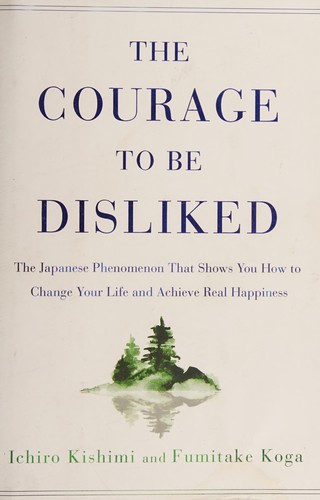
The Courage to Be Disliked by Ichiro Kishimi & Fumitake Koga book cover

1. The Courage to Be Disliked

Ichiro Kishimi & Fumitake Koga · 2013

Your past doesn't determine your present. Adlerian psychology in a Socratic dialogue.

A Japanese phenomenon built on Alfred Adler’s psychology: trauma doesn’t cause your behavior, your goals do; all problems are interpersonal problems; and separating your tasks from other people’s tasks dissolves most anxiety. Some claims overreach. But “discard other people’s tasks” alone is worth the read.

Read it if: anyone stuck blaming history, seeking approval, or carrying other people's problems

Skip it if: the philosopher-and-youth dialogue format feels artificial to you (it is, deliberately)
Full verdict: The Courage to Be Disliked →

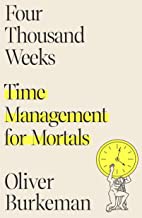
Four Thousand Weeks by Oliver Burkeman book cover

2. Four Thousand Weeks

Oliver Burkeman · 2021

You get about four thousand weeks. The anti-productivity book that ends the optimization arms race.

Burkeman spent years writing productivity columns before concluding the premise is broken: you will never do it all, and systems promising otherwise deepen the anxiety. Accepting finitude (choosing what to neglect, on purpose) is the actual skill. The rare self-help book that reduces what you demand of yourself and improves what you do.

Read it if: productivity addicts who clear their inbox and still feel behind

Skip it if: you want tactics (this book argues tactics are part of your problem)

Full verdict: Four Thousand Weeks →

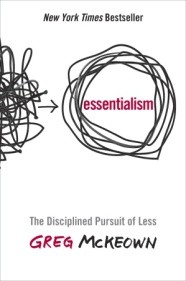
Essentialism by Greg McKeown book cover

3. Essentialism

Greg McKeown · 2014

Do less, but better. The disciplined pursuit of the vital few over the trivial many.

McKeown’s rule: if it isn’t a clear yes, it’s a clear no. The book teaches trade-off thinking, graceful ways to decline, and how to cut good options to protect great ones. It repeats itself (ironic, for a book about less), but the core discipline sticks. Pairs naturally with Deep Work: this decides what matters, that protects the time for it.

Read it if: overcommitted people who say yes by default and pay for it

Skip it if: your problem is starting things, not stopping them

Full verdict: Essentialism →

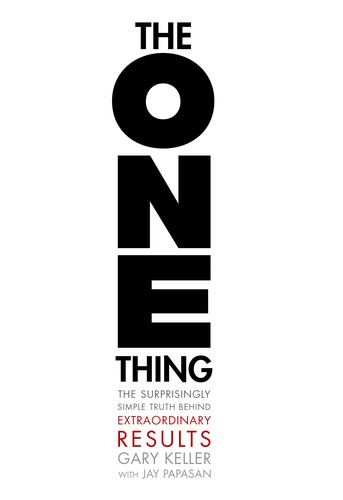
The ONE Thing by Gary Keller & Jay Papasan book cover

4. The ONE Thing

Gary Keller & Jay Papasan · 2013

What's the one thing you can do such that everything else becomes easier or unnecessary?

The focusing question in the title is genuinely useful, and the domino framing (line up small wins that knock over bigger ones) makes prioritization concrete. Keller built the largest real estate company in the world on this operating system. The book stretches one insight, but it’s the right insight.

Read it if: people juggling ten priorities who secretly know only one matters

Skip it if: you already time-block your most important task daily (that's the whole book)

Full verdict: The ONE Thing →

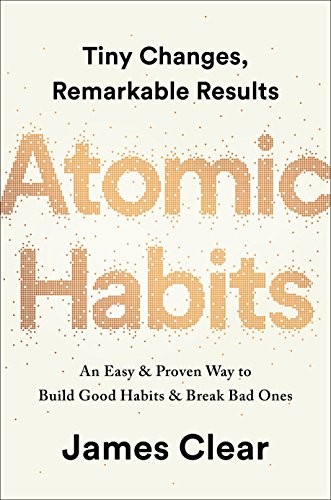
Atomic Habits by James Clear book cover

5. Atomic Habits

James Clear · 2018

The habit book that made every other habit book optional.

Clear took decades of behavior research and compressed it into one usable system: make it obvious, attractive, easy, and satisfying. The 1% better framing sounds like a slogan until you use it for a month and notice it working. Most habit books restate this one with worse examples. Start here.

Read it if: anyone who wants a practical system for building habits, not just motivation

Skip it if: you've already read it and implemented the four laws (rereading won't add much)

Full verdict: Atomic Habits →

Mindset by Carol S. Dweck book cover

6. Mindset

Carol S. Dweck · 2006

Fixed versus growth mindset. One idea, decades of research, and it holds up.

Dweck’s research finding is simple: people who believe ability is fixed avoid challenges, and people who believe ability grows through effort seek them. The book could be a long article, and later chapters repeat the thesis in new settings. But the idea itself earns its place. It changes how you praise kids, take feedback, and pick challenges.

Read it if: parents, teachers, and anyone who quit something because they "weren't talented"

Skip it if: you've absorbed the growth mindset idea from culture already (the book is one idea, stretched)

Full verdict: Mindset →

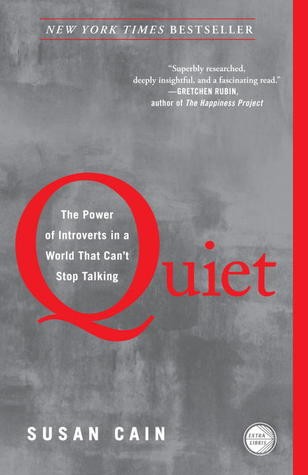
Quiet by Susan Cain book cover

7. Quiet

Susan Cain · 2012

Introverts aren't broken extroverts. The book that made a third of the population feel seen.

Cain traces how American culture shifted from valuing character to valuing personality, then shows what gets lost when quiet people are pushed to perform: deep work, careful decisions, and the leadership style that actually listens. Rigorous where it needs to be, personal where it counts.

Read it if: introverts navigating extrovert-built workplaces, and the people who manage them

Skip it if: you want self-improvement tactics (this is research and argument, not a workbook)

Full verdict: Quiet →

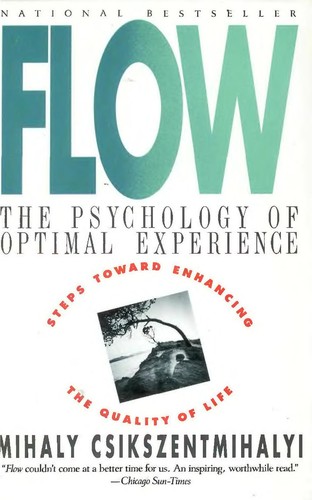
Flow by Mihaly Csikszentmihalyi book cover

8. Flow

Mihaly Csikszentmihalyi · 1990

The psychology of optimal experience. Where the science of being lost in your work began.

Csikszentmihalyi spent decades studying when people report being happiest: not relaxing, but absorbed in challenges that stretch their skills with clear goals and immediate feedback. Every book about focus, deep work, and engagement built on this foundation. Academic in tone, permanent in influence.

Read it if: anyone who's felt time disappear during hard work and wants more of that

Skip it if: you want implementation steps (Deep Work operationalizes what this book theorizes)

Full verdict: Flow →

Frequently Asked Questions

What is the best book to stop overthinking?

The Courage to Be Disliked. It's Adlerian, and its core claim is that your unhappiness is a chosen lifestyle and your past doesn't determine you. That single reframe — you're not stuck in a loop, you're avoiding the discomfort of change — tends to do more for rumination than any relaxation technique.

I overthink because I'm busy, not because I'm sad. What helps?

Four Thousand Weeks. It refuses the productivity lie that you can clear the pile and finally relax. Once you accept you'll never get it all done, a huge category of overthinking ("am I using my time right?") just collapses. Pair it with Essentialism to cut the options you're spinning on.

What book helps with the social spiral — replaying conversations?

How to Win Friends and Influence People and Quiet both help, from different angles. Carnegie is the practical how-to for not catastrophizing interactions; Cain is the reassurance that being quiet isn't a malfunction. For the deeper self-worth knot, Courage to Be Disliked again.

Do habit books help overthinking?

Indirectly. Atomic Habits and The ONE Thing move you from thinking about doing to doing, and action is the most reliable off-switch for rumination. If you're overthinking what to start, make the bar stupidly small (Tiny Habits territory) and let motion replace analysis.

Keep Reading