Best Entrepreneurship Books: 8 for Every Stage of Building

Updated July 8, 2026 · 8 books

The best entrepreneurship book for you depends on your stage. Validating an idea: The Mom Test. Building: The Lean Startup. Deciding what’s worth building at all: Zero to One. This list runs in rough chronological order of the founder journey, from first customer conversation to Nike-scale chaos.

The middle of the list covers the unglamorous skills that decide outcomes: Gerber on systems, Hormozi on offers. The end covers survival and philosophy: Horowitz on the hard moments, Naval on leverage, and Knight proving that even the winners were improvising the whole time.

No book on this list will start the business for you. Each will save you from a specific expensive mistake.

Quick Comparison

#BookAuthorBest for
1The Mom TestRob Fitzpatrickfounders validating an idea before building itAmazon
2The Lean StartupEric Riesfounders about to spend months building something nobody asked forAmazon
3Zero to OnePeter Thielfounders and operators who want to think about monopoly, secrets, and definite optimismAmazon
4The E-Myth RevisitedMichael E. Gerbersmall business owners drowning in their own operationsAmazon
5$100M OffersAlex Hormozianyone selling anything who suspects their offer, not their marketing, is the problemAmazon
6The Hard Thing About Hard ThingsBen Horowitzfounders and executives dealing with problems no framework coversAmazon
7The Almanack of Naval RavikantEric Jorgensonbuilders who want to think about leverage, equity, and specific knowledgeAmazon
8Shoe DogPhil Knightanyone building something who needs to know the chaos is normalAmazon

The Books

The Mom Test by Rob Fitzpatrick book cover

1. The Mom Test

Rob Fitzpatrick · 2013

Your mom will lie to you about your business idea. So will everyone else. Here's how to ask better.

The rule: talk about their life, not your idea. Ask about past behavior, not future intentions. Compliments are lies, commitments are data. It’s 130 pages, costs less than lunch, and prevents the most expensive startup mistake there is: building something nobody wants. The best ratio of usefulness to length in startup books.

Read it if: founders validating an idea before building it

Skip it if: you're past customer discovery with real revenue (you've done this already)
Full verdict: The Mom Test →

The Lean Startup by Eric Ries book cover

2. The Lean Startup

Eric Ries · 2011

Build, measure, learn. The book that taught startups to test before they build.

The vocabulary this book introduced (MVP, pivot, validated learning) became standard because the underlying idea is right: your business plan is a stack of untested assumptions, so test the riskiest ones cheaply before betting everything. The middle chapters drag with case studies. The framework in the first third is what you’re paying for.

Read it if: founders about to spend months building something nobody asked for

Skip it if: you already work in a product team that ships MVPs (this is your daily job in book form)

Full verdict: The Lean Startup →

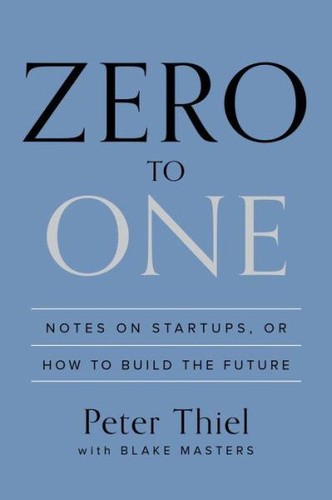
Zero to One by Peter Thiel book cover

3. Zero to One

Peter Thiel · 2014

Competition is for losers. The most contrarian startup book worth arguing with.

Thiel doesn’t teach you how to run a company. He teaches you how to think about what’s worth building: go from zero to one instead of copying what works, find secrets others ignore, aim for monopoly instead of competition. You’ll disagree with a third of it. That’s the point. Few business books make you think this hard per page.

Read it if: founders and operators who want to think about monopoly, secrets, and definite optimism

Skip it if: you're running a small business, not a startup (Thiel's advice targets venture-scale bets)

Full verdict: Zero to One →

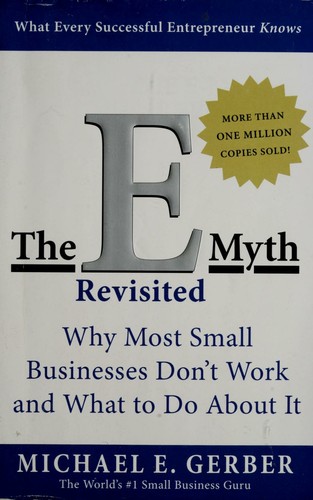
The E-Myth Revisited by Michael E. Gerber book cover

4. The E-Myth Revisited

Michael E. Gerber · 1995

You don't own a business. You own a job. Gerber explains how to fix that.

The core insight has saved thousands of small businesses: being good at the work (the technician) is not the same as building a business that does the work. Work on your business, not in it. Systematize everything as if you’ll franchise it. The fictional dialogue with Sarah the pie shop owner gets repetitive, but the framework underneath is permanent.

Read it if: small business owners drowning in their own operations

Skip it if: you're building a venture-backed startup (this is for bakeries, agencies, and trades)

Full verdict: The E-Myth Revisited →

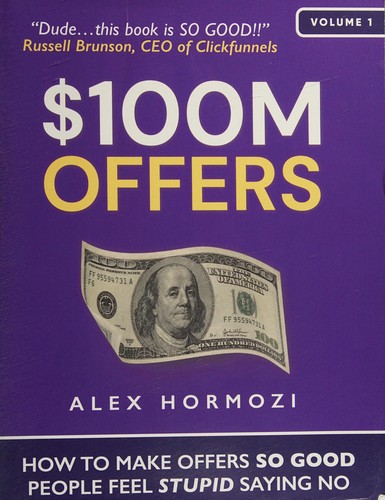
$100M Offers by Alex Hormozi book cover

5. $100M Offers

Alex Hormozi · 2021

Make offers so good people feel stupid saying no. The modern direct-response classic.

Hormozi’s value equation (dream outcome times likelihood, divided by time and effort) is the most usable pricing framework of the last decade. The book is free of filler because Hormozi uses it as a funnel, which ironically makes it better than most $30 business books. Read it before you write your next sales page.

Read it if: anyone selling anything who suspects their offer, not their marketing, is the problem

Skip it if: the aggressive internet-marketer tone is a dealbreaker for you

Full verdict: $100M Offers →

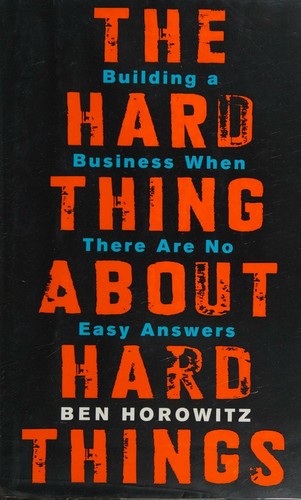
The Hard Thing About Hard Things by Ben Horowitz book cover

6. The Hard Thing About Hard Things

Ben Horowitz · 2014

The only management book written from inside the fire. Layoffs, demotions, near-bankruptcy, all of it.

Most business books describe what to do when things go right. Horowitz writes about firing your friend, telling the truth during layoffs, and managing your own psychology when the company is dying. No clean answers, which is honest, because hard things don’t have them. The most quoted management book among actual operators for a reason.

Read it if: founders and executives dealing with problems no framework covers

Skip it if: you're pre-launch (the pain described here won't map to anything yet)

Full verdict: The Hard Thing About Hard Things →

The Almanack of Naval Ravikant by Eric Jorgenson book cover

7. The Almanack of Naval Ravikant

Eric Jorgenson · 2020

Wealth and happiness compressed into aphorisms. Free online, worth owning anyway.

A curated collection of Naval’s tweets, podcasts, and essays on getting rich without getting lucky: seek specific knowledge, use leverage (code, media, capital), play long-term games with long-term people. The happiness half is weaker than the wealth half, but the wealth half is dense enough to reread yearly.

Read it if: builders who want to think about leverage, equity, and specific knowledge

Skip it if: you dislike aphorism-style wisdom without step-by-step application

Full verdict: The Almanack of Naval Ravikant →

Shoe Dog by Phil Knight book cover

8. Shoe Dog

Phil Knight · 2016

Nike's founding story, told with more honesty than any founder memoir before or since.

Knight spent Nike’s first decade one bank meeting away from bankruptcy, and he writes about it like a novelist, not a victory-lap billionaire. No lessons in bullet points, no false modesty. The best business memoir in print because it admits how much was desperation and luck.

Read it if: anyone building something who needs to know the chaos is normal

Skip it if: you want frameworks and takeaways (this is a story, and better for it)

Full verdict: Shoe Dog →

Frequently Asked Questions

What is the best book for a first-time entrepreneur?

The Mom Test, before you build anything. It's 130 pages on validating your idea by asking questions people can't lie about. Most first businesses fail by building something nobody wants, and this book exists to prevent exactly that.

Should I read Zero to One or The Lean Startup first?

The Lean Startup if you're executing now, Zero to One if you're deciding what to build. Ries gives you process, Thiel gives you strategy. They disagree in places, which is useful. Read both and pick your own side.

What's the best book for small business owners, not startups?

The E-Myth Revisited. Most business books assume venture scale. Gerber writes for the bakery, the agency, and the trades, and his core fix (work on the business, not in it) is the single highest-leverage idea for small operators.

Are entrepreneurship books actually useful?

The ones on this list are, because each covers something you can't easily learn elsewhere: validation technique, offer design, or what the hard moments feel like from inside. What no book replaces is talking to customers and shipping.

Keep Reading