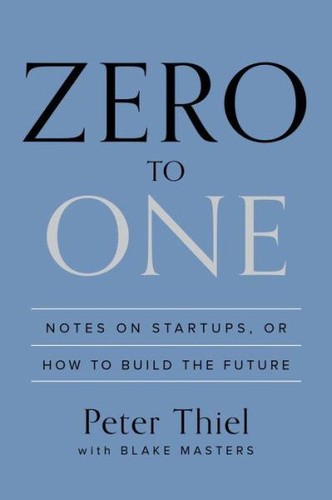
Zero to One
by Peter Thiel · 2014
Competition is for losers. The most contrarian startup book worth arguing with.
Worth reading? The most argued-with startup book worth your time. Thiel's case — competition is for losers, chase monopoly and secrets — is contrarian and sometimes wrong, but it'll sharpen how you think. Skip it if you run a small business; his advice targets venture-scale bets, not your shop.
| Author | Peter Thiel |
|---|---|
| Published | 2014 |
| Category | Business & Money |
The Verdict
Thiel doesn’t teach you how to run a company. He teaches you how to think about what’s worth building: go from zero to one instead of copying what works, find secrets others ignore, aim for monopoly instead of competition. You’ll disagree with a third of it. That’s the point. Few business books make you think this hard per page.
founders and operators who want to think about monopoly, secrets, and definite optimism
you're running a small business, not a startup (Thiel's advice targets venture-scale bets)
Book Summary
Thiel's thesis: progress is either horizontal (copying what works, 1 to n) or vertical (creating something new, 0 to 1). Real value comes from the latter — building unique things that escape competition rather than joining it.
His playbook: start small and monopolize a narrow market, then expand; look for secrets the consensus says don't exist; and practice 'definite optimism' — plan boldly for a specific future. Sales and distribution matter as much as the product, and most founders underestimate them.
Top 7 Lessons from Zero to One
- Escape competition by building something genuinely new, not a me-too.
- Start with a small monopoly, then expand.
- Hunt for secrets the consensus says can't exist.
- Be definitely optimistic — plan a specific bold future.
- Distribution and sales matter as much as the product.
- Founders should complement each other, not clone.
- Don't underestimate the power of a clean, contrarian thesis.
Frequently Asked Questions
Is Zero to One worth reading?
Yes, for founders and operators who want to argue with big ideas about monopoly, secrets, and optimism. Skip it if you run a small business; Thiel writes for venture-scale startups.
What is the main idea of Zero to One?
Real progress is vertical — going from 0 to 1 by creating something new — not copying what works. Thiel argues you should build unique companies that escape competition, starting from a small monopoly.
How long does it take to read Zero to One?
About 195 pages, so roughly 5 to 6 hours of reading.
Who should read Zero to One?
Founders and operators who want to think about monopoly, secrets, and definite optimism. It's aimed at venture-scale startups, not small businesses.
Ready to read it?
Get Zero to One on AmazonRead Next
- Best Business Books: 10 That Are Actually Worth Your Time
- Best Entrepreneurship Books: 8 for Every Stage of Building
- Best Leadership Books: 8 That Actually Make You a Better Boss
- Best Startup Books of All Time: 9 Every Founder Should Know
- Books Every Founder Should Read: 8 in the Order That Matters
- Naval Ravikant Book List: What He Points People To