Naval Ravikant Book List: What He Points People To

Updated July 8, 2026 · 8 books

The best place to start with Naval’s reading is The Almanack of Naval Ravikant itself — it’s the distillation of a decade of his tweets and podcasts on wealth, happiness, and how to think. But the book he points people to for raw cognitive upgrade is Poor Charlie’s Almanack: Munger’s latticework of mental models is, in Naval’s own framing, the highest-leverage thing you can study.

Then the layers. Zero to One and The Hard Thing About Hard Things are the founder bookshelf he’s endorsed — betting contrarian and surviving the build. The Outsiders is the capital-allocation capstone he’d respect; The Psychology of Money is the behavior book he’d nod at. Thinking, Fast and Slow closes the list as the bias-and-judgment foundation behind every mental model — the “understand your own mind” read he tends to recommend.

One honesty note: the Almanack and Munger are directly traceable to Naval. The founder and history titles reflect his publicly stated interests and are curated from our catalog rather than quoted picks. Read it as “in his wheelhouse,” not a transcript — and as with every expert list, the value is in reading one and applying it, not collecting his library.

Quick Comparison

#BookAuthorBest for
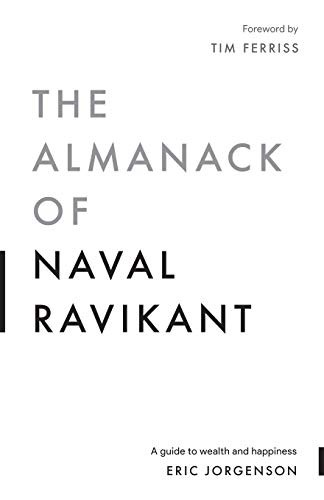
1The Almanack of Naval RavikantEric Jorgensonbuilders who want to think about leverage, equity, and specific knowledgeAmazon
2Poor Charlie's AlmanackCharlie Munger (ed. Peter D. Kaufman)readers who want to think better across disciplines, not just invest betterAmazon
3Zero to OnePeter Thielfounders and operators who want to think about monopoly, secrets, and definite optimismAmazon
4The Hard Thing About Hard ThingsBen Horowitzfounders and executives dealing with problems no framework coversAmazon
5The OutsidersWilliam N. Thorndikeinvestors and operators who want to understand capital allocationAmazon
6The Psychology of MoneyMorgan Houselanyone who earns money and makes decisions about it, especially beginnersAmazon
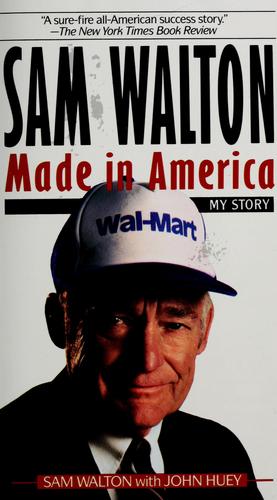
7Sam Walton: Made in AmericaSam Waltonoperators who want to see obsessive retail execution from the insideAmazon
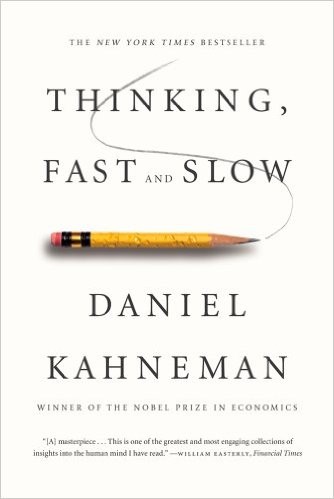
8Thinking, Fast and SlowDaniel Kahnemanreaders who want the full science behind biases, not the blog-post versionAmazon

The Books

The Almanack of Naval Ravikant by Eric Jorgenson book cover

1. The Almanack of Naval Ravikant

Eric Jorgenson · 2020

Wealth and happiness compressed into aphorisms. Free online, worth owning anyway.

A curated collection of Naval’s tweets, podcasts, and essays on getting rich without getting lucky: seek specific knowledge, use leverage (code, media, capital), play long-term games with long-term people. The happiness half is weaker than the wealth half, but the wealth half is dense enough to reread yearly.

Read it if: builders who want to think about leverage, equity, and specific knowledge

Skip it if: you dislike aphorism-style wisdom without step-by-step application

Full verdict: The Almanack of Naval Ravikant →

Poor Charlie's Almanack by Charlie Munger (ed. Peter D. Kaufman) book cover

2. Poor Charlie's Almanack

Charlie Munger (ed. Peter D. Kaufman) · 2005

Munger's mental models and the psychology of human misjudgment, in one strange, wonderful book.

Munger’s talk on the 25 psychological tendencies that cause misjudgment is worth the whole volume, and the “latticework of mental models” idea launched a thousand blogs. The Stripe Press edition trimmed it well. Not really an investing book. A thinking book that happens to be written by an investor.

Read it if: readers who want to think better across disciplines, not just invest better

Skip it if: you want a linear how-to book (this is speeches, talks, and tangents)

Full verdict: Poor Charlie's Almanack →

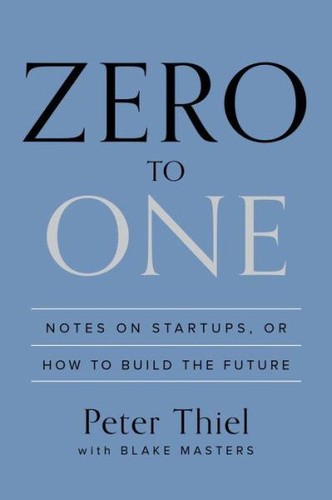
Zero to One by Peter Thiel book cover

3. Zero to One

Peter Thiel · 2014

Competition is for losers. The most contrarian startup book worth arguing with.

Thiel doesn’t teach you how to run a company. He teaches you how to think about what’s worth building: go from zero to one instead of copying what works, find secrets others ignore, aim for monopoly instead of competition. You’ll disagree with a third of it. That’s the point. Few business books make you think this hard per page.

Read it if: founders and operators who want to think about monopoly, secrets, and definite optimism

Skip it if: you're running a small business, not a startup (Thiel's advice targets venture-scale bets)

Full verdict: Zero to One →

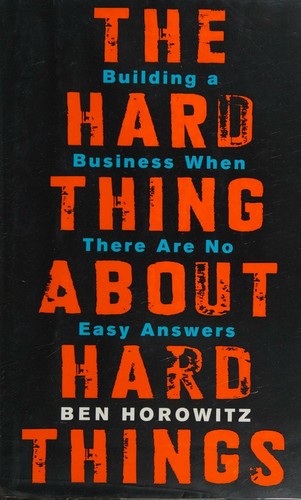
The Hard Thing About Hard Things by Ben Horowitz book cover

4. The Hard Thing About Hard Things

Ben Horowitz · 2014

The only management book written from inside the fire. Layoffs, demotions, near-bankruptcy, all of it.

Most business books describe what to do when things go right. Horowitz writes about firing your friend, telling the truth during layoffs, and managing your own psychology when the company is dying. No clean answers, which is honest, because hard things don’t have them. The most quoted management book among actual operators for a reason.

Read it if: founders and executives dealing with problems no framework covers

Skip it if: you're pre-launch (the pain described here won't map to anything yet)

Full verdict: The Hard Thing About Hard Things →

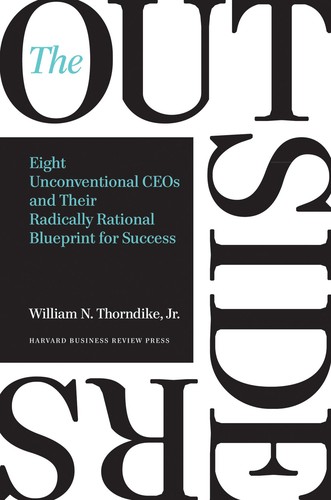
The Outsiders by William N. Thorndike book cover

5. The Outsiders

William N. Thorndike · 2012

Eight CEOs who crushed the market by ignoring everything CEOs are supposed to do.

Thorndike profiles eight unconventional CEOs (Henry Singleton, Katharine Graham, John Malone) who treated capital allocation as the CEO’s real job: buy back cheap stock, avoid dilution, decentralize everything. Buffett recommended it at a Berkshire meeting and it became an operator cult classic. Deservedly.

Read it if: investors and operators who want to understand capital allocation

Skip it if: you want leadership inspiration (these CEOs were ruthless calculators, not visionaries)

Full verdict: The Outsiders →

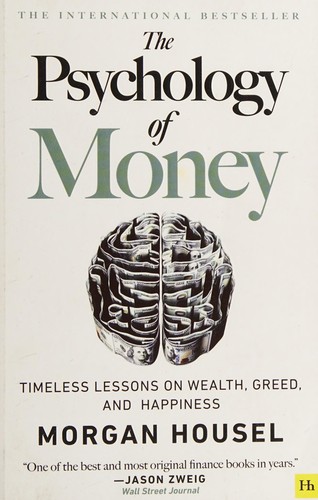
The Psychology of Money by Morgan Housel book cover

6. The Psychology of Money

Morgan Housel · 2020

Money decisions are behavior problems, not math problems. This book proves it in 19 short stories.

Housel writes like a friend who happens to be one of the best finance writers alive. Each chapter is a standalone essay: why rich people go broke, why enough beats more, why time beats timing. No formulas, no jargon. It changes how you think about money rather than what you do with it this week, which is exactly why it sticks.

Read it if: anyone who earns money and makes decisions about it, especially beginners

Skip it if: you want tactical advice like which funds to buy (this book is deliberately not that)

Full verdict: The Psychology of Money →

Sam Walton: Made in America by Sam Walton book cover

7. Sam Walton: Made in America

Sam Walton · 1992

The Walmart founder's memoir, finished weeks before he died. Zero polish, all substance.

Walton wrote this knowing he was dying, which stripped out the spin. He visited competitors’ stores with a tape recorder, flew a small plane to scout locations, and copied every good idea he ever saw, and says so plainly. Bezos built Amazon’s principles partly from this book. Frugality and customer obsession, straight from the source.

Read it if: operators who want to see obsessive retail execution from the inside

Skip it if: you want strategy theory (Walton distrusted theory and it shows)

Full verdict: Sam Walton: Made in America →

Thinking, Fast and Slow by Daniel Kahneman book cover

8. Thinking, Fast and Slow

Daniel Kahneman · 2011

A Nobel laureate's map of every way your brain fools you. Dense, and worth every page.

System 1 thinks fast and automatically; System 2 thinks slow and lazily. From that split, Kahneman explains anchoring, loss aversion, overconfidence, and why experts’ predictions fail. Some priming studies from the middle chapters failed replication, and Kahneman acknowledged it. The core framework remains the standard. Every other behavioral book cites this one.

Read it if: readers who want the full science behind biases, not the blog-post version

Skip it if: you want a light read (this is a textbook wearing a trade paperback cover)

Full verdict: Thinking, Fast and Slow →

Frequently Asked Questions

What book does Naval Ravikant recommend most?

He points people to The Almanack of Naval Ravikant itself as the distillation of his thinking — wealth, happiness, and decision-making in plain language. Beyond his own book, he repeatedly returns to Charlie Munger's mental models and the Stoics.

Which Naval-recommended book should I read first?

Poor Charlie's Almanack. Naval credits Munger's latticework of mental models as the single biggest upgrade to how he thinks, and it's the most reusable idea-source on this list. Read it before the founder titles.

Why are Sapiens and the founder books here?

Naval is a vocal admirer of understanding human nature and status through broad reading — Harari's big-picture history and the Thiel/Horowitz founder canon both sit in his publicly stated wheelhouse. They're the "understand the substrate" layer beneath the self-help shelf.

Are these all verified picks?

The Almanack and Poor Charlie's Almanack are directly traceable to Naval. The founder and history titles reflect his publicly stated reading interests but are curated here from our own catalog, not quoted verbatim. Treat the list as "in his wheelhouse," not a transcript.

Keep Reading