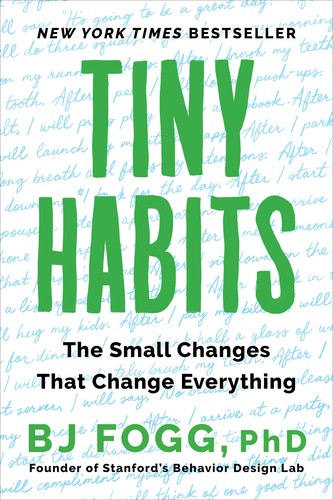
Tiny Habits
by BJ Fogg · 2019
Start smaller than feels reasonable. Two pushups. One floss. The Stanford method behind behavior change.
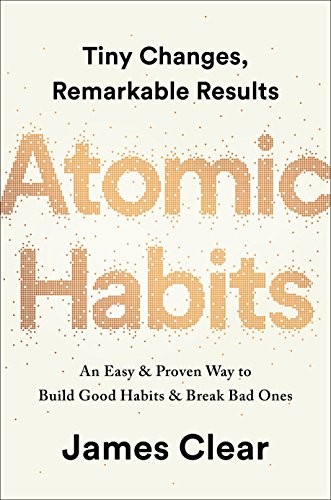
Worth reading? Tiny Habits is the gentlest on-ramp to behavior change and the right first book if every past habit attempt has blown up on day three -- Fogg starts smaller than feels sane. It's narrower than Atomic Habits, which is the better all-in-one system once you can execute; read Tiny Habits first, then graduate. Skip it if Atomic Habits already works for you -- the two overlap, and you don't need both.
| Author | BJ Fogg |
|---|---|
| Published | 2019 |
| Category | Self-Improvement & Psychology |
The Verdict
Fogg ran Stanford’s Behavior Design Lab and taught many of the people who wrote the other habit books. His model: behavior happens when motivation, ability, and prompt converge, so shrink the behavior until motivation barely matters. Anchor it to an existing routine, celebrate immediately. Deceptively simple, unusually forgiving.
people who've failed at ambitious habit changes and need a gentler on-ramp
Atomic Habits already works for you (overlapping systems; you don't need both)
Book Summary
Start absurdly small: anchor a new behavior to something you already do (after I brush my teeth, I do two pushups). Tiny beats ambitious because it beats resistance.
Behavior happens when motivation, ability, and a prompt converge. When a behavior won't stick, lower the bar (raise ability) rather than shame your motivation.
Emotions are the reinforcer: celebrate immediately after the tiny win. Feeling successful wires the habit faster than any tracker.
Top 7 Lessons from Tiny Habits
- Make the habit so small you can't refuse it.
- Anchor new habits to existing routines (habit anchors).
- When a habit fails, lower the difficulty -- don't blame willpower.
- Prompt, motivation, and ability must all be present for action.
- Celebrate the tiny win immediately; emotion installs the habit.
- Design the environment for ease, not for discipline.
- Scale up only after the tiny version is automatic.
Frequently Asked Questions
Is Tiny Habits worth reading?
Yes, if you've failed at big habit changes -- it's the kindest, lowest-friction entry point. Skip it if Atomic Habits already works for you.
What is the main idea of Tiny Habits?
Start ridiculously small and anchor the habit to an existing routine; behavior sticks when prompt, motivation, and ability line up, and a quick celebration reinforces it.
How long does it take to read Tiny Habits?
About 4 to 5 hours. It's a short, friendly read (roughly 250 to 300 pages).
Who should read Tiny Habits?
People who've struggled with ambitious habit plans and need a gentle start. Skip it if Atomic Habits already gets results for you.
Ready to read it?
Get Tiny Habits on Amazon