Best Books on Focus and Deep Work: 8 Ranked

Updated July 8, 2026 · 8 books

The best book on focus is Deep Work, full stop. Newport made concentration a career strategy and gave it a schedule. The other seven books on this list answer the questions Deep Work raises: why focusing feels impossible (Stolen Focus, The Shallows), how to unhook from your phone (Indistractable, Digital Minimalism), and what the absorbed state you’re chasing actually is (Flow).

Four Thousand Weeks is the list’s conscience. After seven books teaching you to focus better, Burkeman asks what it’s for, and argues the answer changes everything about how you schedule.

Attention is the bottleneck under every goal you have. These eight books are the serious literature on widening it.

Quick Comparison

#BookAuthorBest for
1Deep WorkCal Newportknowledge workers whose output depends on sustained concentrationAmazon
2IndistractableNir Eyalanyone who blames their phone but suspects the problem runs deeperAmazon
3Stolen FocusJohann Harireaders who've tried personal fixes and want the bigger picture: tech design, diet, sleep, work cultureAmazon
4Digital MinimalismCal Newportanyone whose default reaction to boredom is reaching for a deviceAmazon
5Four Thousand WeeksOliver Burkemanproductivity addicts who clear their inbox and still feel behindAmazon
6HyperfocusChris Baileyknowledge workers who want practical attention management with the research attachedAmazon
7FlowMihaly Csikszentmihalyianyone who's felt time disappear during hard work and wants more of thatAmazon
8The ShallowsNicholas Carrreaders who want the deep history and neuroscience of how media reshapes thoughtAmazon

The Books

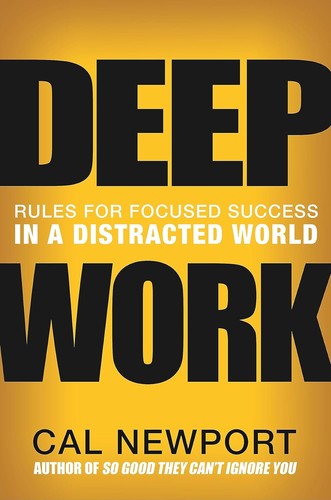
Deep Work by Cal Newport book cover

1. Deep Work

Cal Newport · 2016

Focus is the new superpower. Newport makes the case, then hands you the schedule.

Newport argues that deep, distraction-free work is both increasingly rare and increasingly valuable, which makes it the career leverage of this era. The second half is practical: time-block your day, embrace boredom, quit tools that don’t pass a cost-benefit test. One of the few productivity books whose advice compounds the longer you use it.

Read it if: knowledge workers whose output depends on sustained concentration

Skip it if: your work is genuinely reactive and meeting-driven (the advice will frustrate you)
Full verdict: Deep Work →

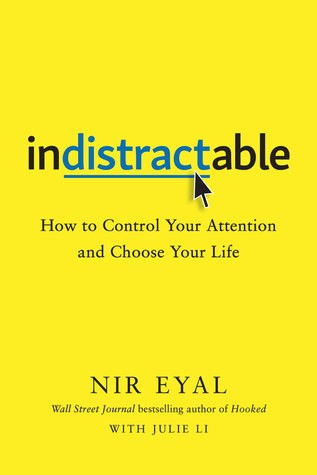
Indistractable by Nir Eyal book cover

2. Indistractable

Nir Eyal · 2019

Distraction starts within. From the man who wrote the book on hooking you, the book on unhooking.

Eyal wrote Hooked for product teams, then wrote this for the rest of us. His claim: distraction is escape from discomfort, so master internal triggers first, then make time for traction, hack back external triggers, and use pacts as the last line. More honest than tech-panic books because it hands responsibility back to you.

Read it if: anyone who blames their phone but suspects the problem runs deeper

Skip it if: you want a digital detox manifesto (Eyal argues abstinence misses the point)

Full verdict: Indistractable →

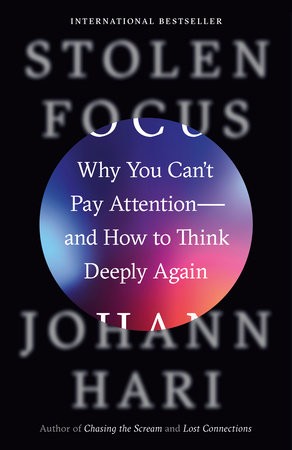
Stolen Focus by Johann Hari book cover

3. Stolen Focus

Johann Hari · 2022

Your attention didn't collapse. It was taken. The systemic case the productivity books skip.

Hari interviewed hundreds of scientists and locked himself in Provincetown without a smartphone to test the claims. Twelve causes of attention decline, from surveillance capitalism to sleep debt to children’s lost free play. Critics call parts overreaching. The reframe (attention is being farmed, not just lost) is the book’s lasting contribution.

Read it if: readers who've tried personal fixes and want the bigger picture: tech design, diet, sleep, work culture

Skip it if: you want solutions you can implement alone (Hari's point is that you mostly can't)

Full verdict: Stolen Focus →

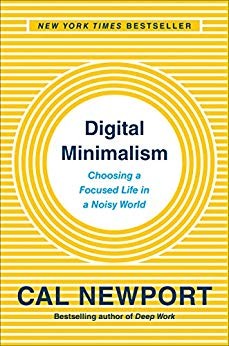
Digital Minimalism by Cal Newport book cover

4. Digital Minimalism

Cal Newport · 2019

A philosophy for your phone, not another screen-time tip list. Includes the 30-day declutter.

Newport’s argument: willpower loses against attention engineering, so you need a philosophy, not tips. The 30-day digital declutter (remove optional technologies, rediscover analog leisure, reintroduce only what serves something you value) has a real completion rate because it’s a protocol, not a suggestion.

Read it if: anyone whose default reaction to boredom is reaching for a device

Skip it if: your digital life is already intentional (you've done the declutter, formally or not)

Full verdict: Digital Minimalism →

Four Thousand Weeks by Oliver Burkeman book cover

5. Four Thousand Weeks

Oliver Burkeman · 2021

You get about four thousand weeks. The anti-productivity book that ends the optimization arms race.

Burkeman spent years writing productivity columns before concluding the premise is broken: you will never do it all, and systems promising otherwise deepen the anxiety. Accepting finitude (choosing what to neglect, on purpose) is the actual skill. The rare self-help book that reduces what you demand of yourself and improves what you do.

Read it if: productivity addicts who clear their inbox and still feel behind

Skip it if: you want tactics (this book argues tactics are part of your problem)

Full verdict: Four Thousand Weeks →

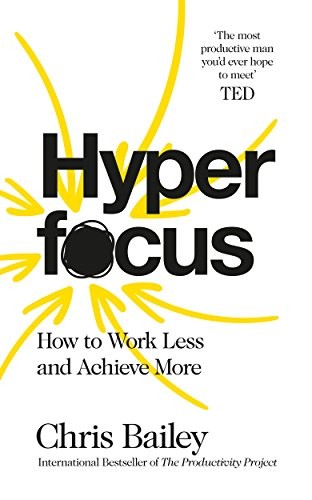
Hyperfocus by Chris Bailey book cover

6. Hyperfocus

Chris Bailey · 2018

Manage your attention, not your time. Includes the case for deliberate mind-wandering.

Bailey splits attention into two modes: hyperfocus for execution, scatterfocus for creativity and planning. The second half is the differentiator, arguing that intentional mind-wandering is where connections form, which most focus books treat as the enemy. Lighter than Newport, more actionable per page.

Read it if: knowledge workers who want practical attention management with the research attached

Skip it if: you've read Deep Work and implemented it (significant overlap, friendlier packaging)

Full verdict: Hyperfocus →

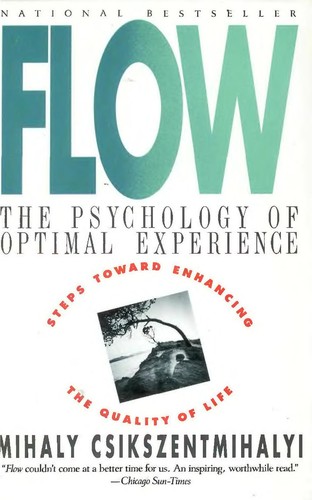
Flow by Mihaly Csikszentmihalyi book cover

7. Flow

Mihaly Csikszentmihalyi · 1990

The psychology of optimal experience. Where the science of being lost in your work began.

Csikszentmihalyi spent decades studying when people report being happiest: not relaxing, but absorbed in challenges that stretch their skills with clear goals and immediate feedback. Every book about focus, deep work, and engagement built on this foundation. Academic in tone, permanent in influence.

Read it if: anyone who's felt time disappear during hard work and wants more of that

Skip it if: you want implementation steps (Deep Work operationalizes what this book theorizes)

Full verdict: Flow →

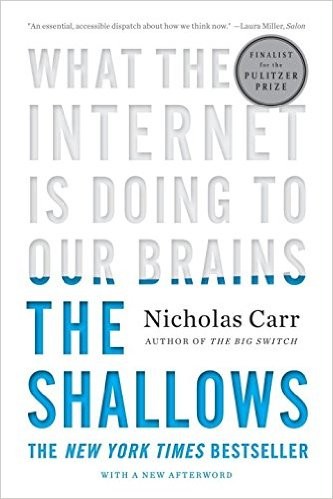
The Shallows by Nicholas Carr book cover

8. The Shallows

Nicholas Carr · 2010

What the internet is doing to our brains. Fifteen years old and more correct every year.

Carr’s Pulitzer-finalist argument: the medium rewires the mind, and a medium built on interruption builds interrupted minds. He traces the history from Socrates fearing writing to Google engineering distraction, with the neuroplasticity research in between. The intellectual foundation under the entire attention genre.

Read it if: readers who want the deep history and neuroscience of how media reshapes thought

Skip it if: you want fixes (Carr diagnoses; Newport and Eyal prescribe)

Full verdict: The Shallows →

Frequently Asked Questions

What is the best book on focus?

Deep Work by Cal Newport. It makes the career case for concentration and gives you the scheduling system to protect it. Most books on this list either lead to Deep Work or extend it.

Is Stolen Focus worth reading after Deep Work?

Yes, because they cover opposite halves of the problem. Newport gives you personal systems; Hari shows the environmental forces (app design, sleep, work culture) that personal systems fight against. Together they're the complete picture.

What's the difference between Deep Work and Digital Minimalism?

Same author, different targets. Deep Work is about your working hours and producing valuable output. Digital Minimalism is about your leisure hours and taking attention back from your phone. Work problem: Deep Work. Life problem: Digital Minimalism.

Can books actually fix my attention span?

A book alone won't, but the protocols in these books do when run seriously: time-blocking from Newport, the 30-day declutter from Digital Minimalism, trigger audits from Indistractable. Treat them as programs to complete, not ideas to admire.

Keep Reading