Best Stoicism Books: A 7-Book Reading Order

Updated July 8, 2026 · 7 books

Read stoicism in this order: The Daily Stoic for vocabulary, Meditations for the heart of it, then Seneca and Epictetus for depth. This list is a reading path, not a ranking, because the common mistake with stoicism is starting with the hardest text and bouncing off.

The Roman Stoics wrote for practice, not theory. Marcus Aurelius journaled to stay sane while running an empire, Seneca wrote letters to a friend, Epictetus taught students. Every book here keeps that practical spirit, including the modern entries from Holiday and Robertson that bridge ancient technique to current psychology.

Two thousand years of readers kept these books alive. That’s not nostalgia. It’s the longest-running field test in publishing.

Quick Comparison

#BookAuthorBest for
1The Daily StoicRyan Holiday & Stephen Hanselmanbeginners who want stoicism in two-minute daily doses instead of ancient textsAmazon
2MeditationsMarcus Aureliusanyone who wants stoicism from the source, in the best modern translationAmazon
3The Obstacle Is the WayRyan Holidayanyone facing a setback who wants philosophy that behaves like a playbookAmazon
4Letters from a StoicSenecareaders who found Meditations too fragmentary and want stoicism with a human voiceAmazon
5How to Think Like a Roman EmperorDonald Robertsonreaders who want the person behind Meditations, plus CBT techniques that descend from stoicismAmazon
6Ego Is the EnemyRyan Holidayambitious people in any stage: aspiring, succeeding, or recovering from failureAmazon
7Discourses and Selected WritingsEpictetusreaders ready for stoicism without softening, straight from the classroomAmazon

The Books

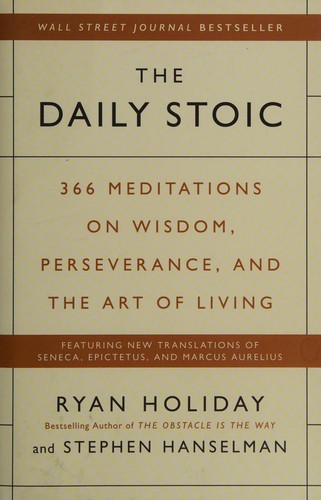
The Daily Stoic by Ryan Holiday & Stephen Hanselman book cover

1. The Daily Stoic

Ryan Holiday & Stephen Hanselman · 2016

One stoic meditation per day for a year. The easiest possible entry into the philosophy.

366 short passages from Marcus Aurelius, Seneca, and Epictetus, each with Holiday’s plain-English commentary. The daily format works because stoicism is practice, not theory, and two minutes every morning beats one ambitious weekend with Meditations. Start here, then read whichever original voice pulls you.

Read it if: beginners who want stoicism in two-minute daily doses instead of ancient texts

Skip it if: you've read the originals (this is a gateway, not a destination)
Full verdict: The Daily Stoic →

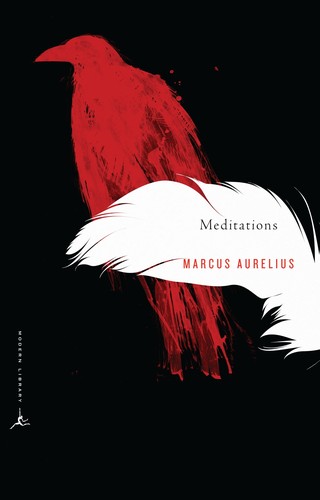
Meditations by Marcus Aurelius book cover

2. Meditations

Marcus Aurelius · 180

The private journal of a Roman emperor, never meant for publication. The lindiest book on this site.

Marcus Aurelius ruled the known world and wrote himself notes about staying decent, mortal, and calm while doing it. Nothing written since says more with less: you have power over your mind, not events. Get the Gregory Hays translation; it reads like it was written this year, not eighteen centuries ago.

Read it if: anyone who wants stoicism from the source, in the best modern translation

Skip it if: you need narrative structure (it's fragments, repetitions, and reminders to himself)

Full verdict: Meditations →

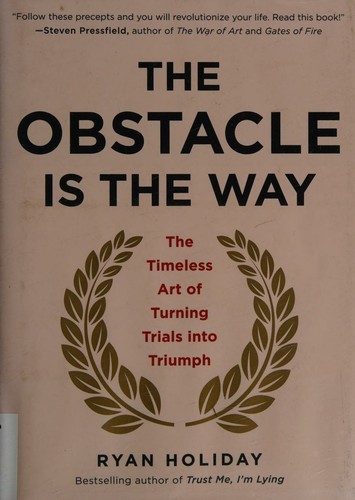
The Obstacle Is the Way by Ryan Holiday book cover

3. The Obstacle Is the Way

Ryan Holiday · 2014

The impediment to action advances action. Stoicism applied to getting through hard things.

Holiday takes one line from Marcus Aurelius and builds a three-part method: perception, action, will. Rockefeller in panics, Edison watching his lab burn, athletes and generals turning barriers into openings. Locker rooms and startup offices adopted it for a reason. Fast to read, useful under pressure.

Read it if: anyone facing a setback who wants philosophy that behaves like a playbook

Skip it if: historical anecdote-as-lesson format tires you (it's the whole structure)

Full verdict: The Obstacle Is the Way →

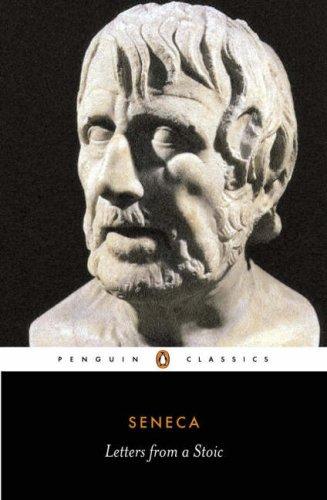
Letters from a Stoic by Seneca book cover

4. Letters from a Stoic

Seneca · 65

Advice letters from the richest philosopher in Rome. Warm, practical, and two thousand years fresh.

Seneca writes to his friend Lucilius about time, grief, wealth, and mortality like a mentor who’s seen everything. More approachable than Marcus Aurelius, more organized than Epictetus. “It is not that we have a short time to live, but that we waste a lot of it” alone has outlived empires.

Read it if: readers who found Meditations too fragmentary and want stoicism with a human voice

Skip it if: you're bothered that Seneca preached simplicity while being rich (fair, and he addresses it)

Full verdict: Letters from a Stoic →

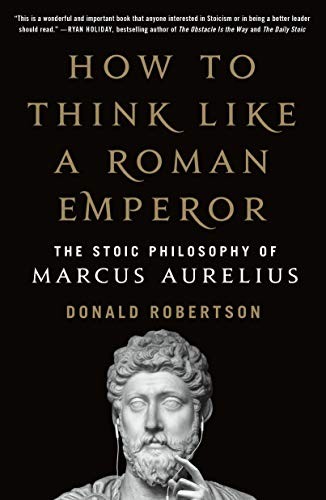
How to Think Like a Roman Emperor by Donald Robertson book cover

5. How to Think Like a Roman Emperor

Donald Robertson · 2019

Marcus Aurelius's life as a manual for modern cognitive therapy. Stoicism's missing biography.

Robertson is a cognitive-behavioral therapist, and CBT literally descends from stoic practice, so he’s the right guide. Each chapter pairs an episode from Marcus’s life (plague, war, betrayal) with the psychological techniques he used to endure it. The best bridge between ancient stoicism and modern clinical practice.

Read it if: readers who want the person behind Meditations, plus CBT techniques that descend from stoicism

Skip it if: you want pure philosophy without the therapy framing

Full verdict: How to Think Like a Roman Emperor →

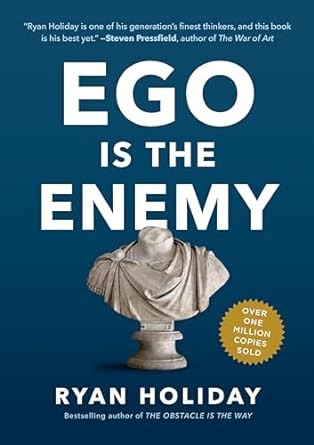
Ego Is the Enemy by Ryan Holiday book cover

6. Ego Is the Enemy

Ryan Holiday · 2016

Your biggest obstacle isn't out there. Holiday's quieter, better follow-up to The Obstacle Is the Way.

Structured around three phases (aspire, success, failure) with the same warning in each: ego steals learning, alienates allies, and turns wins into setups for falls. The Sherman and Marshall chapters, men who did great work and refused the spotlight, land hardest. Many operators call this the better of the two books.

Read it if: ambitious people in any stage: aspiring, succeeding, or recovering from failure

Skip it if: you wanted more stoic quotes (this one leans on history more than philosophy)

Full verdict: Ego Is the Enemy →

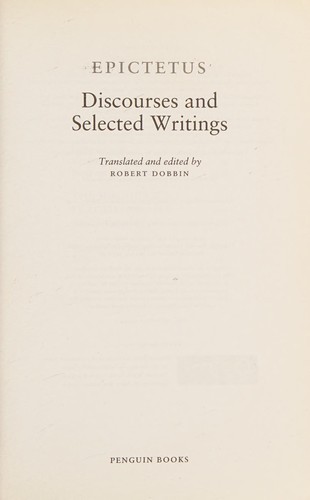
Discourses and Selected Writings by Epictetus book cover

7. Discourses and Selected Writings

Epictetus · 108

Stoicism from a former slave. The hardest-edged and most practical of the three Roman Stoics.

Epictetus was born a slave and taught the doctrine that survived him: some things are up to you, most things aren’t, and misery comes from confusing the two. His student’s lecture notes are blunt, funny, and repetitive in the way good training is. Marcus Aurelius kept a copy. So should you, eventually.

Read it if: readers ready for stoicism without softening, straight from the classroom

Skip it if: you're new to stoicism (start with The Daily Stoic or Meditations, then come here)

Full verdict: Discourses and Selected Writings →

Frequently Asked Questions

What is the best stoicism book for beginners?

The Daily Stoic. One two-minute passage per day with plain-English commentary is the gentlest real introduction, and stoicism is a daily practice anyway. Meditations is the right second book once the vocabulary feels familiar.

Should I read Meditations, Seneca, or Epictetus first?

Meditations first, in the Gregory Hays translation. It's the most personal and modern-reading of the three. Seneca's letters are the warmest, Epictetus is the bluntest. This list orders them by approachability.

Which translation of Meditations is best?

Gregory Hays (Modern Library). It trades some literal precision for clarity and reads like contemporary writing. If you want more scholarly apparatus, Robin Waterfield's annotated edition is the alternative.

Are Ryan Holiday's books real stoicism?

They're popularizations, and good ones. Holiday applies stoic ideas to modern situations without claiming to replace the originals. Use his books as on-ramps; the list is ordered so the sources themselves are your destination.

Keep Reading