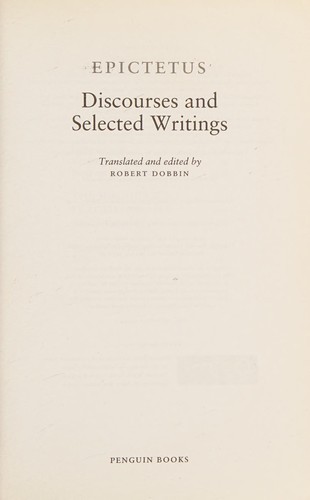
Discourses and Selected Writings
by Epictetus · 108
Stoicism from a former slave. The hardest-edged and most practical of the three Roman Stoics.
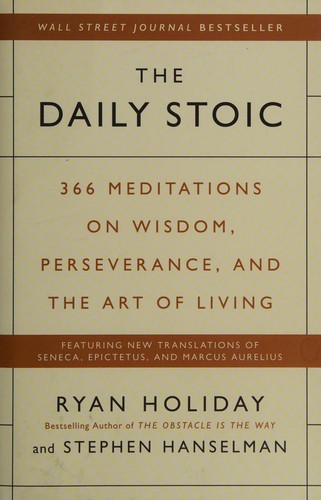
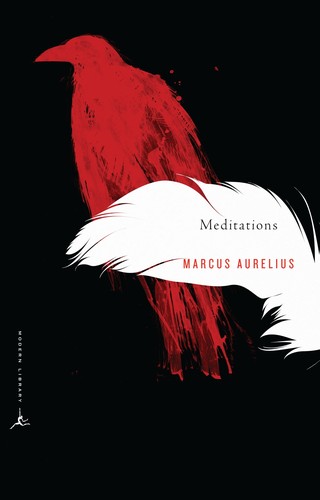
Worth reading? The hardest, most classroom-direct of the three Roman Stoics, and the best text for readers who want stoicism without the greeting-card softening. Epictetus hammers one idea harder than Marcus or Seneca: almost nothing around you is in your control, and your peace lives entirely in how you judge it. Skip it if you're new to stoicism -- start with The Daily Stoic or Meditations, then come here when you want the raw version.
| Author | Epictetus |
|---|---|
| Published | 108 |
| Category | Self-Improvement & Psychology |
The Verdict
Epictetus was born a slave and taught the doctrine that survived him: some things are up to you, most things aren’t, and misery comes from confusing the two. His student’s lecture notes are blunt, funny, and repetitive in the way good training is. Marcus Aurelius kept a copy. So should you, eventually.
readers ready for stoicism without softening, straight from the classroom
you're new to stoicism (start with The Daily Stoic or Meditations, then come here)
Book Summary
Epictetus splits the world cleanly: some things are up to us (our judgments, desires, aversions) and most things are not (body, reputation, wealth, death). Peace comes from dragging every worry to that line and refusing to care about the side you don't own.
Freedom is internal before it is external. A person chained in a cell can be free if their judgments are their own; a king can be a slave to his own fears. The whip and the throne are equally irrelevant to the only thing that matters.
Progress is daily practice, not inspiration. He trains students to rehearse misfortune, watch their assent to impressions, and treat philosophy as a gym for living, not a book to admire.
Top 6 Lessons from Discourses and Selected Writings
- Sort every worry into 'mine to control' or 'not mine' and drop the second.
- Your peace depends on your judgment, not on your circumstances.
- Rehearse bad outcomes so they lose their grip on you.
- Don't hand your tranquility to other people's opinions.
- Philosophy is practice, not a shelf of admired books.
- Want what happens, not what you wish would happen.
Frequently Asked Questions
Is Discourses and Selected Writings worth reading?
Yes if you want stoicism straight from the classroom, unsentimental and blunt. Skip it if you're new to stoicism -- start with The Daily Stoic or Meditations first.
What is the main idea of Discourses and Selected Writings?
Only your judgments are in your power; everything else is not, so train yourself to care only about the first and stay indifferent to the second.
How long does it take to read Discourses and Selected Writings?
Around 400 pages, but it's aphoristic and meant to be read slowly -- a passage a night for a couple of months beats one sitting.
Who should read Discourses and Selected Writings?
Readers ready for stoicism without softening, straight from the classroom. Skip it if you're new to stoicism.
Ready to read it?
Get Discourses and Selected Writings on Amazon